Understanding the unseen impact of gambling on mental health
The Nature of Gambling and Its Allure
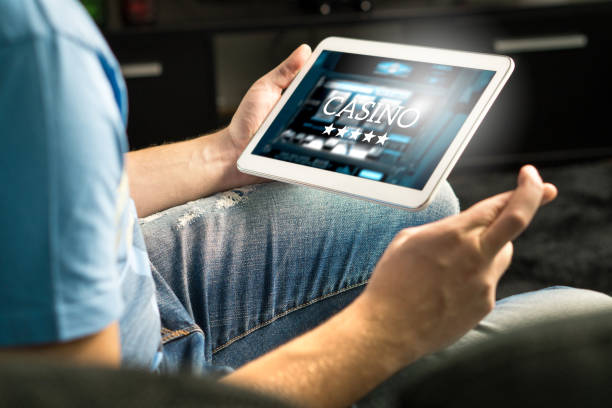
Gambling is often depicted as a thrilling escape, a chance to win big while enjoying the excitement of risk-taking. Both online and offline gambling platforms offer varied experiences that attract individuals for different reasons. The social atmosphere of brick-and-mortar casinos contrasts sharply with the convenience and anonymity of aus online casinos. This duality not only shapes the gambling habits of users but also influences their psychological responses to such activities.

Many individuals find themselves drawn to gambling as a means to alleviate stress or anxiety. The dopamine release during gambling can create an illusion of control and euphoria. However, this temporary escape may mask underlying mental health issues, often leading individuals deeper into compulsive behaviors. As gambling becomes a coping mechanism, the potential for addiction grows, highlighting the unseen impact it has on mental well-being.
The Psychological Toll of Gambling Addiction
Gambling addiction can manifest in various ways, severely impacting an individual’s mental health. Common psychological effects include anxiety, depression, and feelings of hopelessness. Those who struggle with gambling often face immense stress from financial losses, which compounds existing mental health issues. The cycle of gambling to recover losses can lead to a downward spiral, creating a vicious circle of addiction and despair.
Research indicates that gamblers frequently experience heightened levels of anxiety, especially when they are unable to gamble. The compulsive nature of the addiction often results in strained relationships, job loss, and social isolation. Understanding these psychological effects is crucial for identifying and supporting those at risk of gambling-related harm.
Comparing Online and Offline Gambling Effects
While both online and offline gambling can be detrimental to mental health, the nature of their impact varies significantly. Offline gambling often includes social interaction, which can provide a sense of community or support for some individuals. However, it also exposes them to immediate peer pressure and an environment rife with temptation.
In contrast, online gambling allows for greater anonymity and can create an environment where individuals might lose track of time and money. The lack of physical presence can lead to a more profound disconnect from reality, potentially increasing the risk of addiction and its associated mental health issues. Understanding these differences is essential for developing effective strategies to address the mental health implications of gambling.
The Role of Support and Treatment Options
Addressing the mental health consequences of gambling requires a multifaceted approach. Support systems, including therapy and support groups, play a vital role in aiding individuals battling gambling addiction. Cognitive-behavioral therapy has shown effectiveness in treating gambling disorders, focusing on changing harmful thought patterns and behaviors related to gambling.
Additionally, peer support networks can offer a sense of community and understanding that is crucial for recovery. Education on the risks associated with both online and offline gambling can empower individuals to make informed choices, reducing the likelihood of addiction and its psychological ramifications.

Ensuring Safety and Awareness Online
As the prevalence of online gambling increases, ensuring a safe and informed environment becomes paramount. Resources that provide education on gambling risks and mental health support are essential. Such platforms can help individuals recognize signs of gambling addiction and guide them toward appropriate treatment options.
By fostering awareness and promoting safe gambling practices, we can minimize the negative impact of gambling on mental health. It is important to create spaces where individuals feel secure in seeking help and discussing their experiences without stigma or judgment, ultimately leading to healthier gambling habits and improved mental well-being.